







Search Results for: cup test flavor
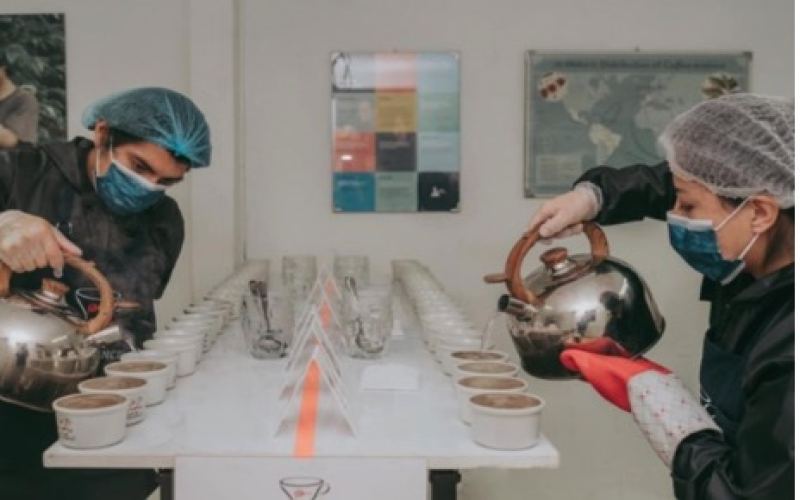
COE competition and coffee cup testing scoring criteria
Last month, Qianjie shared with everyone the scoring system of cup testing, among which we briefly mentioned COE. In daily life, the word COE also often appears on the labels of some beans. This immediately aroused everyone's curiosity: What is COE? [more…]
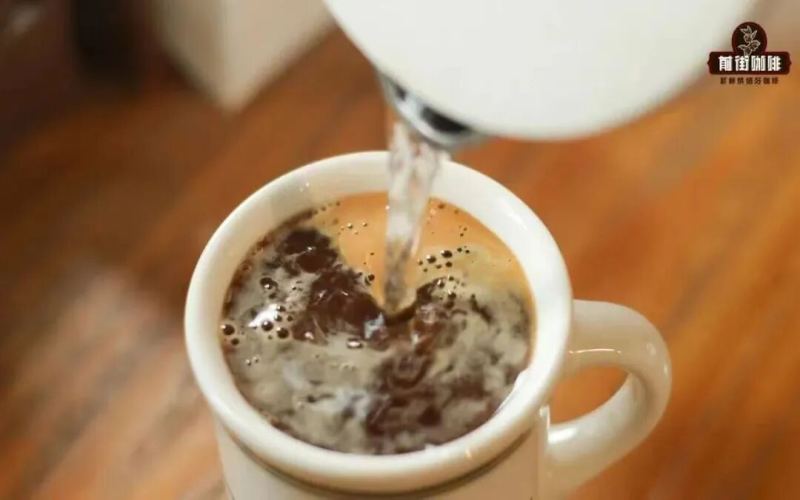
American Coffee Ratio | How much water is needed to make a good cup of American coffee? What is the suitable ratio of espresso, water, and ice for iced American coffee?
Many friends make themselves an Americano when they get up in the morning! This is both because of the "effect" that an Americano provides and because it is very simple to make: just extract a shot of espresso, then add a certain amount of water and stir well, and a cup of Americano that both refreshes you and reduces swelling is ready. [more…]
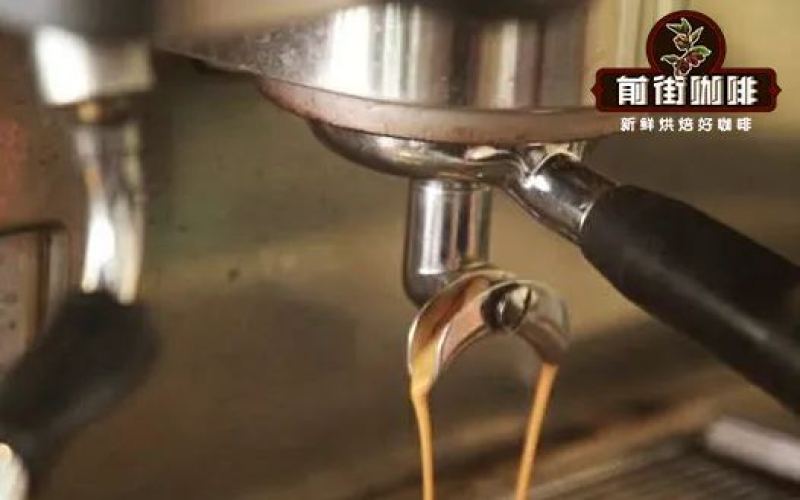
Espresso Flavor
The concept of specialty coffee has been in China for over thirty years, and has developed rapidly in the past decade. At the same time, people have also raised questions about the concept of specialty coffee. Pour-over is generally considered specialty coffee, so are Americano, espresso, and others also specialty coffee? In fact, in international coffee competitions, especially in Northern Europe, espresso [more…]
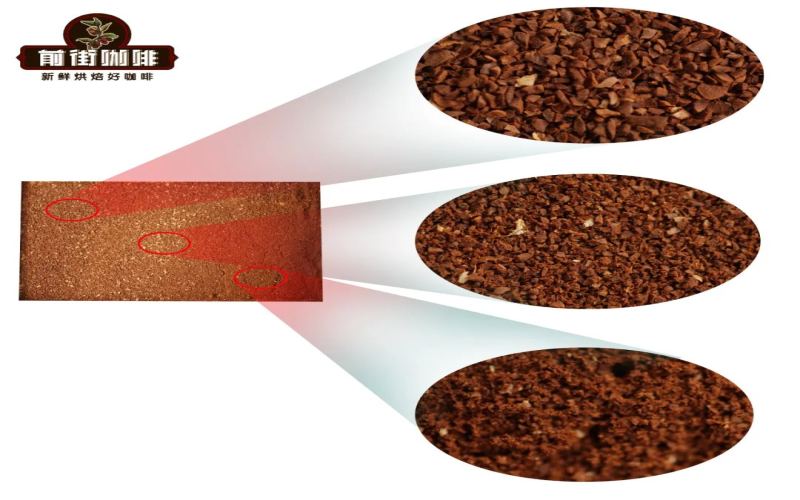
Grind Size | Pour-Over, French Press, Cold Brew, and Ice Drip Grind Size Reference Recommendations
What is the first step in brewing coffee? Grinding beans. In recent years, with the rise of the specialty coffee wave, more and more people have come to enjoy drinking coffee, and at the same time, more and more people hope to fully experience the beauty and leisure of drinking coffee, so they choose to buy coffee beans and brew them at home. And so at this point, a [more…]
A Complete Guide to Iced Americano: Brewing Tips and Flavor Profile—From Espresso Extraction to Water Ratio
American coffee may seem simple, consisting only of espresso and water, yet it is precisely the drink that best tests a barista's extraction skills. This article begins with the definition and origins of American coffee, sorts out the two mainstream methods of Americano and Long Black, discusses the controversy over long-extraction weak coffee, and explains in detail the process for making hot and iced American coffee, the coffee-to-water ratio, and the effect of whether to remove the crema on flavor. The article also combines the Warm Sun blend from Front Street Coffee stores to provide specific extraction parameters and ratio references, helping coffee enthusiasts recreate a clean, balanced American coffee that retains the bean's true flavor in their daily brewing. [more…]
After the Roast Date, When Is the Best Time to Drink Coffee Beans for the Best Flavor?
Before putting coffee beans into an espresso machine, the roast date is worth checking before the aroma words on the packaging. Freshly roasted beans are still rapidly releasing carbon dioxide, and after grinding, the coffee bed is easily disturbed by the gas, which also causes fluctuations in the espresso flow rate and crema condition. Allow an appropriate resting period, and then plan to finish a bag of beans during its peak flavor stage, usually [more…]
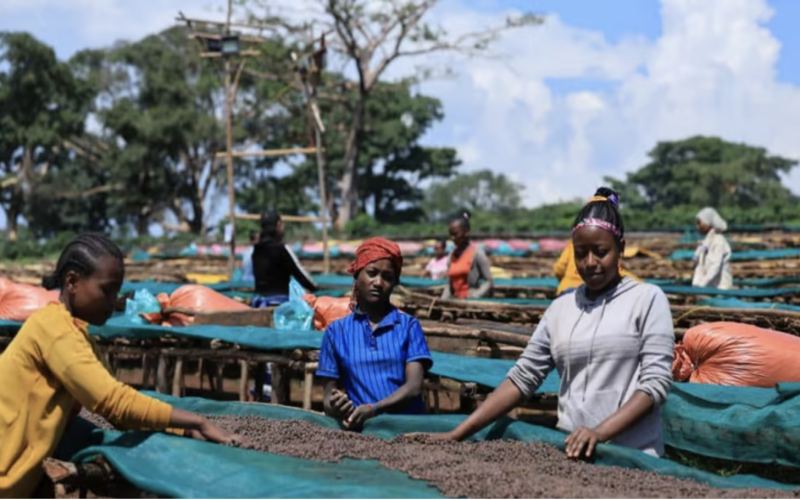
The grading system of Ethiopian coffee beans, the Yirgacheffe G1 and G2 grades.
We know that the grading method of coffee beans usually depends on the actual situation of the growing country, such as being divided according to the size of the coffee beans, like Kenyan coffee; being divided according to the altitude, like Blue Mo [more…]
The drinking rhythm of Italian-style medium-roast beans from roast date to opening the bag
The aroma of medium-roast espresso beans doesn't fully unfold on the very day they're roasted. The beans are still steadily releasing carbon dioxide, and if you put them into the espresso machine too early, the puck is easily disturbed by the gas; the crema may look rich, but the cup can taste tight and disjointed, with a sweetness that doesn't come together coherently. Treating the roast date as the starting point for the flavor clock matters more than just watching the expiration date. [more…]
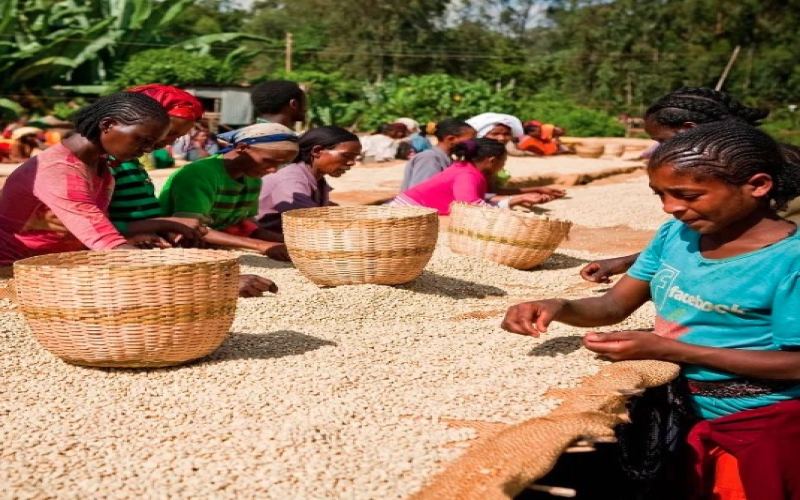
Coffee Grading | What are AA and AB in Kenya? What is the difference between AA TOP and AA?
Previously, we talked about the coffee grading in Ethiopia. Today, let's take a look at what the coffee grading in Kenya is like! After all, when we see Kenyan coffee, we will see things like AA and AB. What exactly do these refer to? What is AA TOP? [more…]
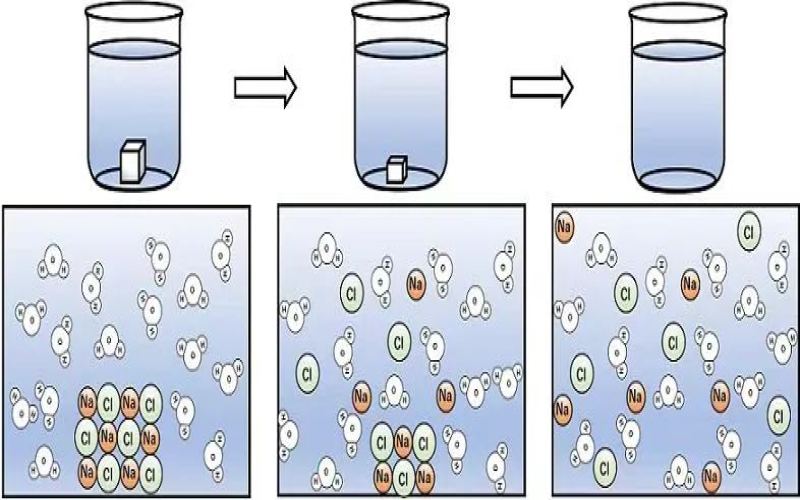
Pour-Over Coffee Brewing Temperature | What Is the Best Water Temperature for Brewing Pour-Over Coffee? Does Brewing Water Temperature Have a Big Impact on Coffee Flavor and Mouthfeel?
For pour-over coffee, most people tend to use higher water temperatures for extraction, because high temperatures not only improve extraction efficiency but, more importantly, bring out a rich, sweet-and-sour aroma and flavor. Basically, the water temperature used for pour-over coffee is rarely below 80°C. So, if you brew coffee below this temperature, is there any [more…]
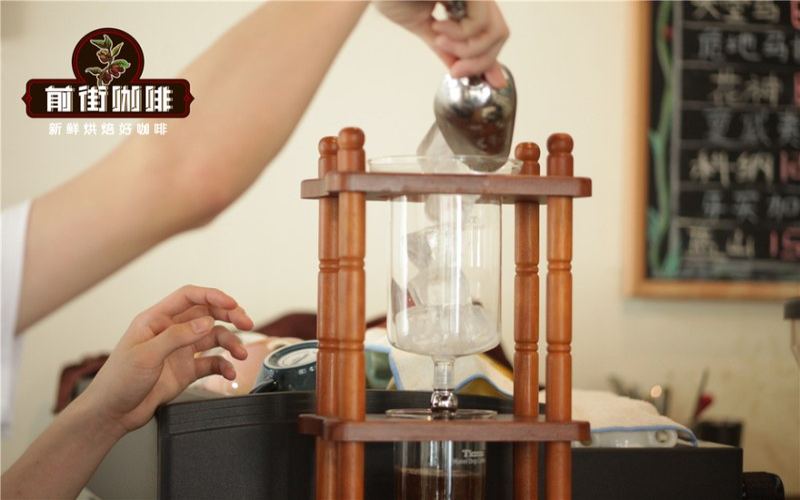
SOE: From roast date to after opening, which cup has more aroma?
From the day roasting finishes, the aroma of coffee beans enters a track of continuous change. When SOE is pulled directly as espresso, if the gas inside the beans is still vigorous, the puck tends to extract unevenly, and the acidity in the cup is lively but somewhat scattered; as the beans gradually relax, sweetness, aroma, and texture come together more easily. Therefore, deciding whether to pull it as espresso, [more…]
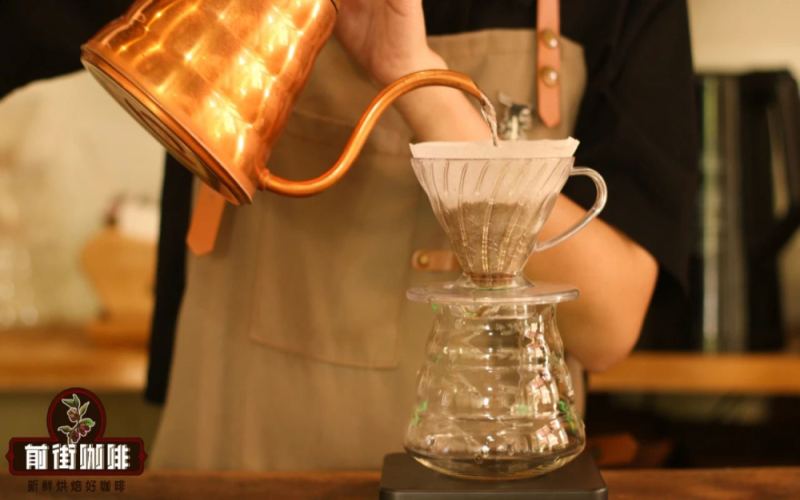
How to Make Pour-Over Coffee for Two | How Should the Coffee-to-Water Ratio for Pour-Over Coffee Be Allocated? What Coffee Strength Does the SCAA (Specialty Coffee Association of America) Recommend?
With the development of the specialty coffee market, single-origin coffee is increasingly recognized by the public, so many coffee enthusiasts are teaching themselves how to brew pour-over coffee at home. As a result, coffee-loving friends often ask, when buying coffee beans at Front Street Coffee, how the coffee-to-water ratio for pour-over coffee should be determined. So in this next article, Front Street [more…]
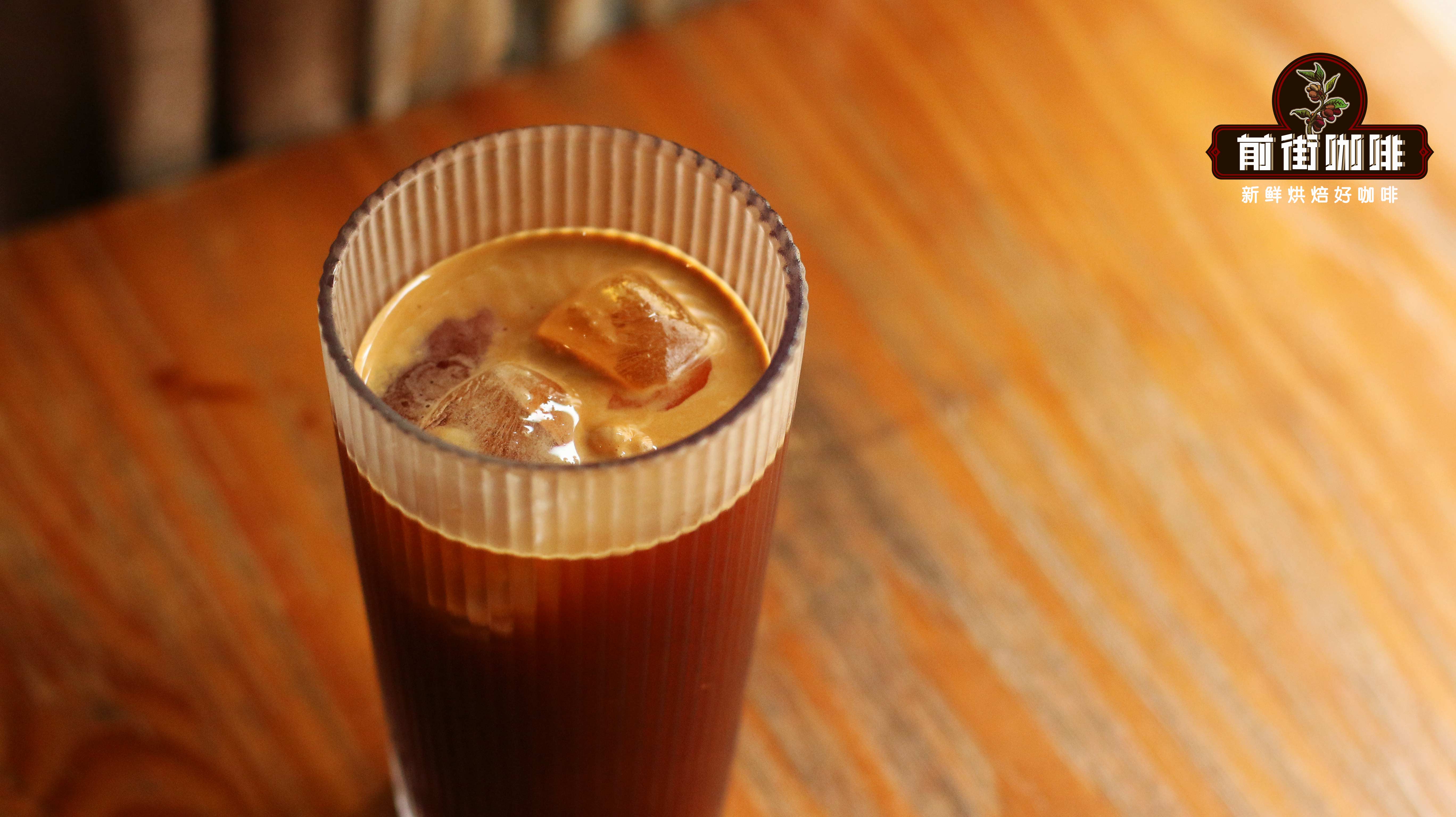
American Coffee Ratio Parameters | How Can Coffee Newbies Make Iced Americano and Hot Americano at Home? Is Americano Black Coffee Better Without the Crema?
For more specialty coffee knowledge, please follow: Front Street Coffee (Frontsteet Coffee). With the development of the times, coffee has also continuously progressed. Having experienced two waves of coffee, although we are now in the third wave of specialty coffee, espresso remains important. Espresso [more…]
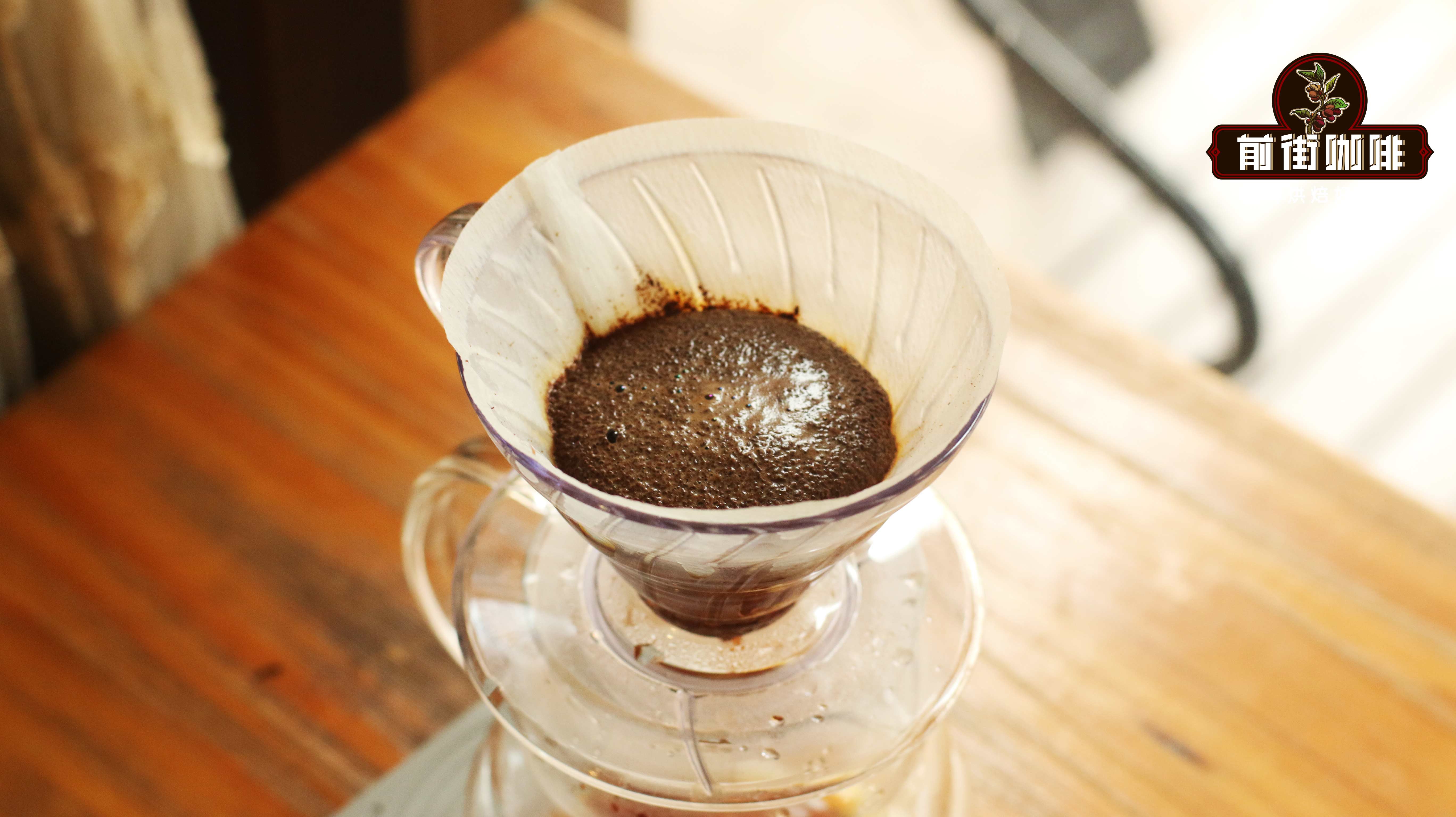
Clever Cup Brewing Method | Does the Clever Cup need blooming when steeping coffee grounds? How can coffee beginners make Yirgacheffe pour-over black coffee with the Clever Cup?
For more specialty coffee knowledge, please follow: Front Street Coffee (Frontsteet Coffee). When making pour-over coffee, we usually perform the bloom first, which is especially common in filter-style brewing methods. So, is a bloom still necessary in immersion-style coffee extraction? [more…]
After Roast Day: The Opening Rhythm of Three Latte Beans
Whether the aroma of coffee beans can cut through milk in a latte depends not only on the beans themselves but also on how many days have passed since roasting. Freshly roasted beans are still rapidly releasing carbon dioxide, which can cause uneven espresso flow and coarser foam; leave them too long, and the nutty, caramel, or fruity notes gradually fade. Catching that middle window of peak condition, [more…]
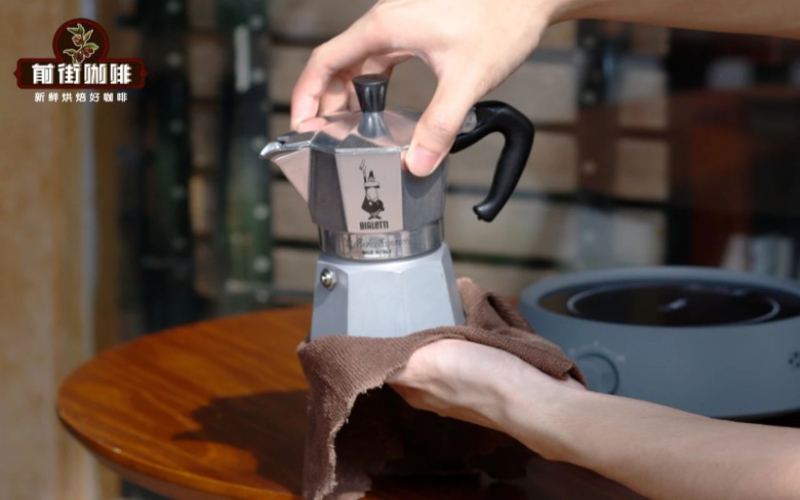
Two Fates of the Same Bean: Moka Pot vs. Espresso Machine
After spending enough time with coffee, many people end up owning both a moka pot and a semi-automatic espresso machine at home. The same beans go into the portafilter for one cup, then into the moka pot's basket for another, and the gap in flavor is so big it often makes you wonder if the beans were swapped out. Understanding this difference, in turn, can help you judge when choosing beans: which beans are worth [more…]
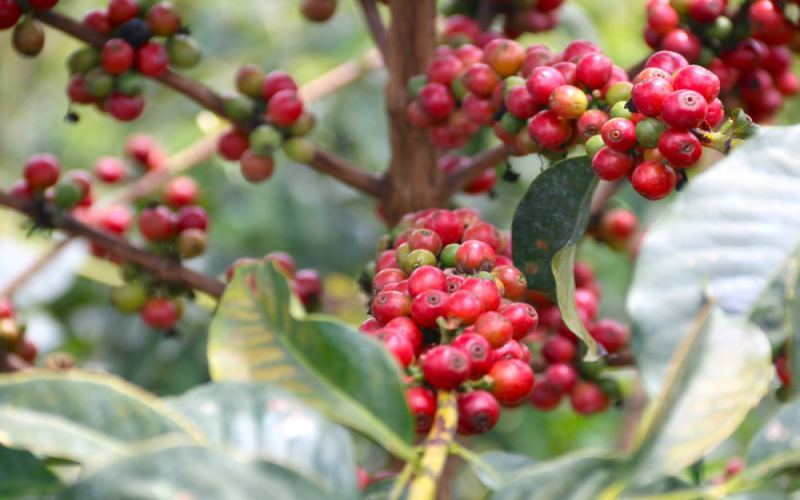
How Are Kenya Coffee AA and AA+ Grades Distinguished? A Detailed Explanation of Kenya Coffee Bean Grading Standards and Flavor Characteristics
Kenyan coffee is famous for its bright fruit acidity and rich flavors, making it a favorite among many coffee lovers. But when faced with grading labels such as AA, AA+, and AB, many people feel confused. From the perspective of Front Street Coffee, this article sorts out the development of Kenya's coffee industry, analyzes the origins and specific standards of its grading system, focuses on explaining the differences between AA grade and AA+ grade, and introduces the impact of the K72 washed processing method on flavor. At the end, it also includes the origin information and brewing parameters of Front Street Kenya Little Tomato coffee beans for daily reference. [more…]

Americano Water Ratio | Is Espresso Americano Black Coffee? Which Espresso Beans Should You Choose for Making Americano at Home?
"Would you like an Americano?" "I'll just have an Americano." Every time I watch a Korean drama, I always hear these familiar lines. As one of the most cost-effective coffees that can be served quickly, Americano can be said to be one of the essential products in every coffee shop. Why do people like Americano so much? This [more…]

Yirgacheffe Four-Roast Cupping Record: An Analysis of How Green Bean and Roasted Bean Freshness Affect Flavor Complexity
How much of an impact does the freshness of coffee beans really have on flavor? Through comparative observation and roasting cupping of four washed Yirgacheffe G2 green beans, this article analyzes one by one the key role of freshness in coffee quality, from green bean color and dehydration state to post-roast aroma and mouthfeel layers. The test used the same roasting curve and repeatedly evaluated the coffee by pour-over and immersion methods, ultimately finding that Sample A and Sample B formed a striking polarity—the former had prominent floral and fruity notes and a long, sweet finish, while the latter lacked vitality due to aging. Whether green beans or roasted beans, freshness is the core element that determines the soul of coffee, and Front Street Coffee has always emphasized the importance of storage conditions. [more…]
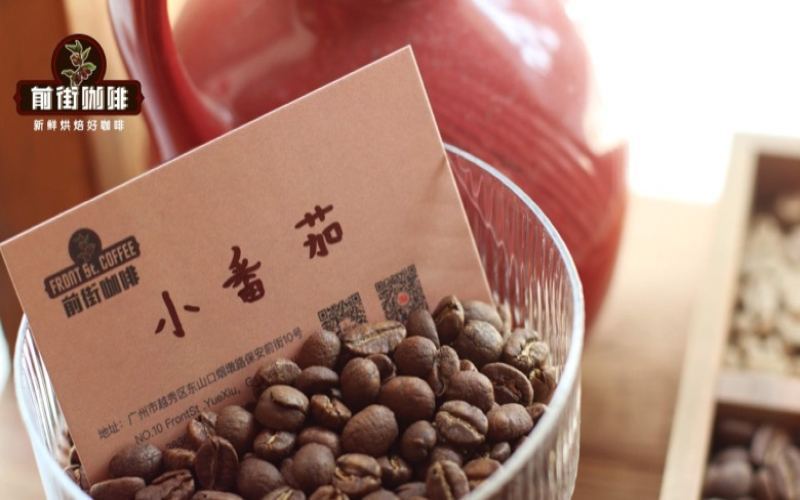
SL28 and SL34: The Legendary Varieties from Kenya's Laboratory
In the world of specialty coffee, few varieties encapsulate a country's technical ambition and terroir expression in two numbers the way SL28 and SL34 do. Their acidity is bright as berry juice, their sweetness rich with blackcurrant notes, and together they have all but defined the "Kenyan taste." This legendary [more…]